





Fast Facts about E-motos, E-bikes, E-scooters, and Cargo Bikes
By Bike Maryland - November 20, 2026
What is the difference and why does it matter?
E-bikes provide convenient, affordable, and sustainable transportation and recreation to countless Marylanders. They enable many people with disabilities to ride bikes, and greatly expand the potential distance and usefulness of bike riding for many people.
Many frustrations and concerns about e-bikes are misplaced, and are really about e-motos. E-moto companies sometimes falsely market their vehicles as street-legal e-bikes. This has created some confusion in the eyes of the public, media, and legislatures.
Here are some basic facts on these types of vehicles.
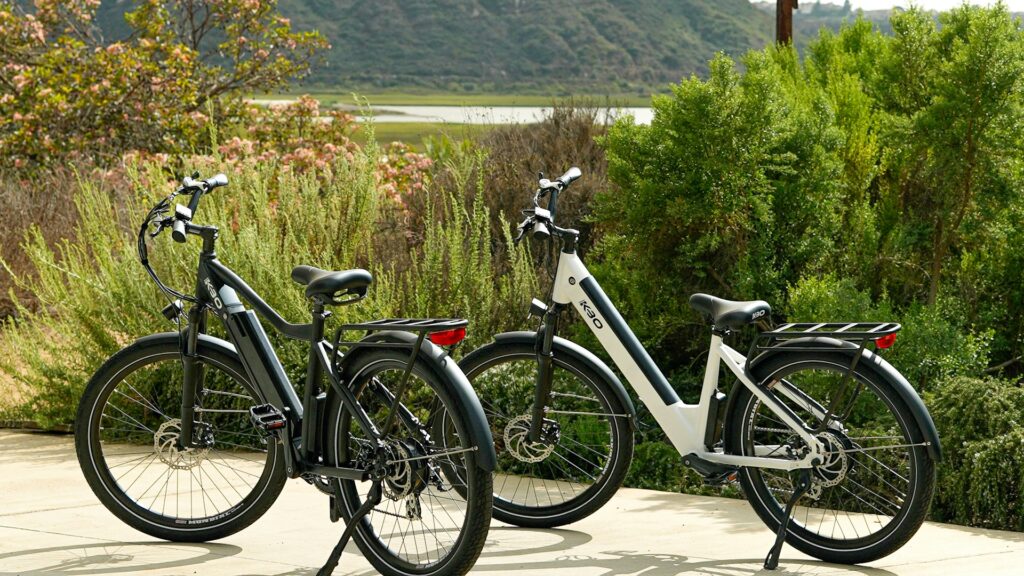
E-Bikes
E-bikes often look identical to regular bicycles and have batteries that attach to, or integrate into, the bike frame. They are equipped with operable pedals and an electric motor of 750 watts or less that fit into the following classes:
CLASS 1 = Pedal Assist only, with speeds up to 20 MPH
CLASS 2 = Throttle or pedal assisted speeds up to 20 MPH
CLASS 3 = Pedal assist only, with speeds up to 28 MPH (rider must be 16 years or older)
E-bikes include e-cargo bikes, which are bicycles built to carry heavy loads or multiple passengers and are equipped with a battery and a motor to assist with pedaling or provide throttle power. E-cargo bikes can carry hundreds of pounds and feature reinforced frames, sturdy tires, and extended racks or front buckets. Models with dedicated child seating are popular among parents.
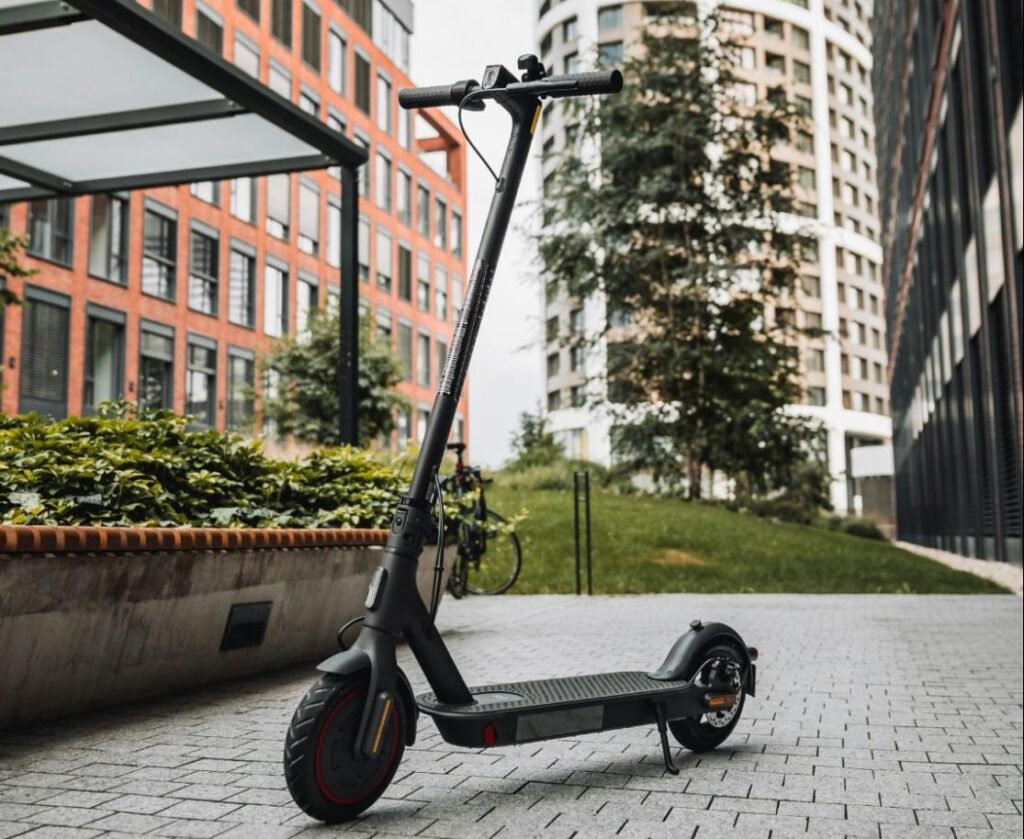
E-scooters
E-scooters are devices with handlebars, a floorboard for standing, and an electric motor that can travel up to 20 mph.
Both e-bikes and e-scooters are allowed on shared-use paths where bicycles are permitted unless otherwise posted. E-bikes and e-scooters – like all bikes and scooters – are allowed on sidewalks in Maryland unless prohibited by local ordinance, with the exception of class 3 e-bikes, which are only allowed on bike paths adjacent to a street or where local or state jurisdiction allows.
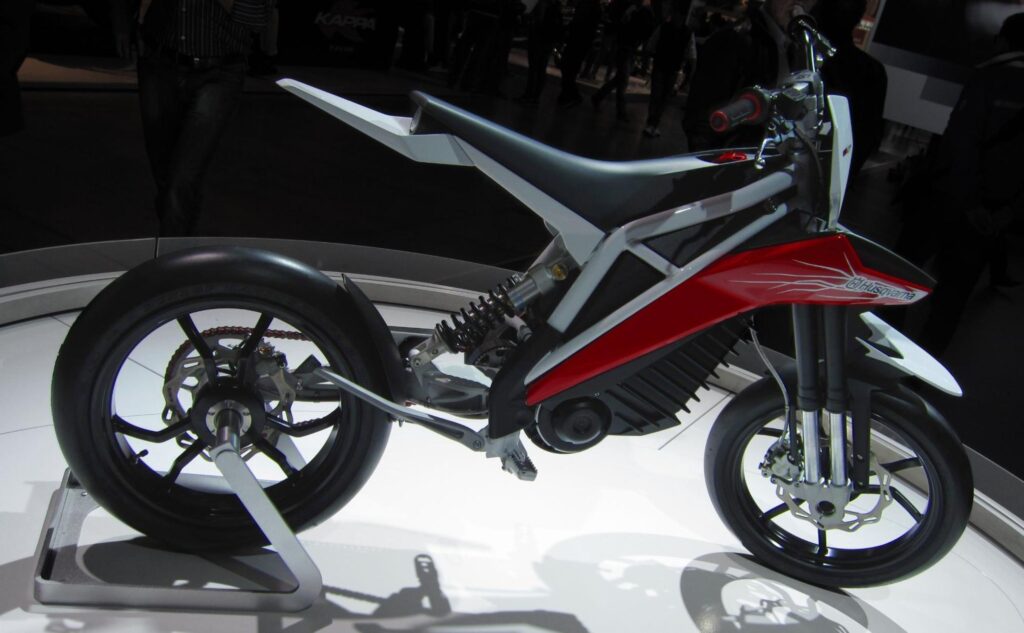
E-motos
E-motos are not e-bikes. They are devices with electric motors with >750 watts, capable of speeds greater than 20 mph using a throttle, or speeds greater than 28 mph with pedal assist. Depending on their power, speed, and design, they may be electric motorcycles, mopeds, motor scooters, or dirt bikes (“off-highway recreational vehicles”) under Maryland law. Many e-motos do not have operable pedals. Unlike bicycles, they often have fixed seats that cannot be adjusted for riders of different heights to be able to comfortably use pedals.
A rider must be 16 or older to operate e-motos that are motorcycles, motor scooters, or mopeds under Maryland law, and they are required to ride only on the roadway in many jurisdictions. They require a valid license, title, and insurance.
E-motos that are dirt bikes cannot be ridden on public roads.
E-motos are not allowed to be ridden on sidewalks, multi-use trails or public natural surface trails. E-moto riders must also follow laws regarding lighting and helmets.
E-motos are not considered micromobility devices.
Bike Maryland is participating in a Micromobility Task Group led by the Maryland Department of Transportation Micromobility. The group is focused on safety, and has published lots of information about the laws regarding e-bikes, e-motos and other devices at https://www.mdot.maryland.gov/micromobility.


Share
Tweet